No products added!
March 8, 2025
Written by
namayfoods
- Proteins are made up of amino acids.
- Role in our Body:
- Protein is the second most abundant compound in our body after water.
- Protein is an energy source essential for building, repairing, and maintaining tissues.
- Protein Utilization:
- Normally, the body breaks down and uses the same amount of protein to maintain tissue. However, at times of illness, pregnancy, breastfeeding, injury recovery, and for athletes, the body’s need for protein increases.
- Enzyme Production:
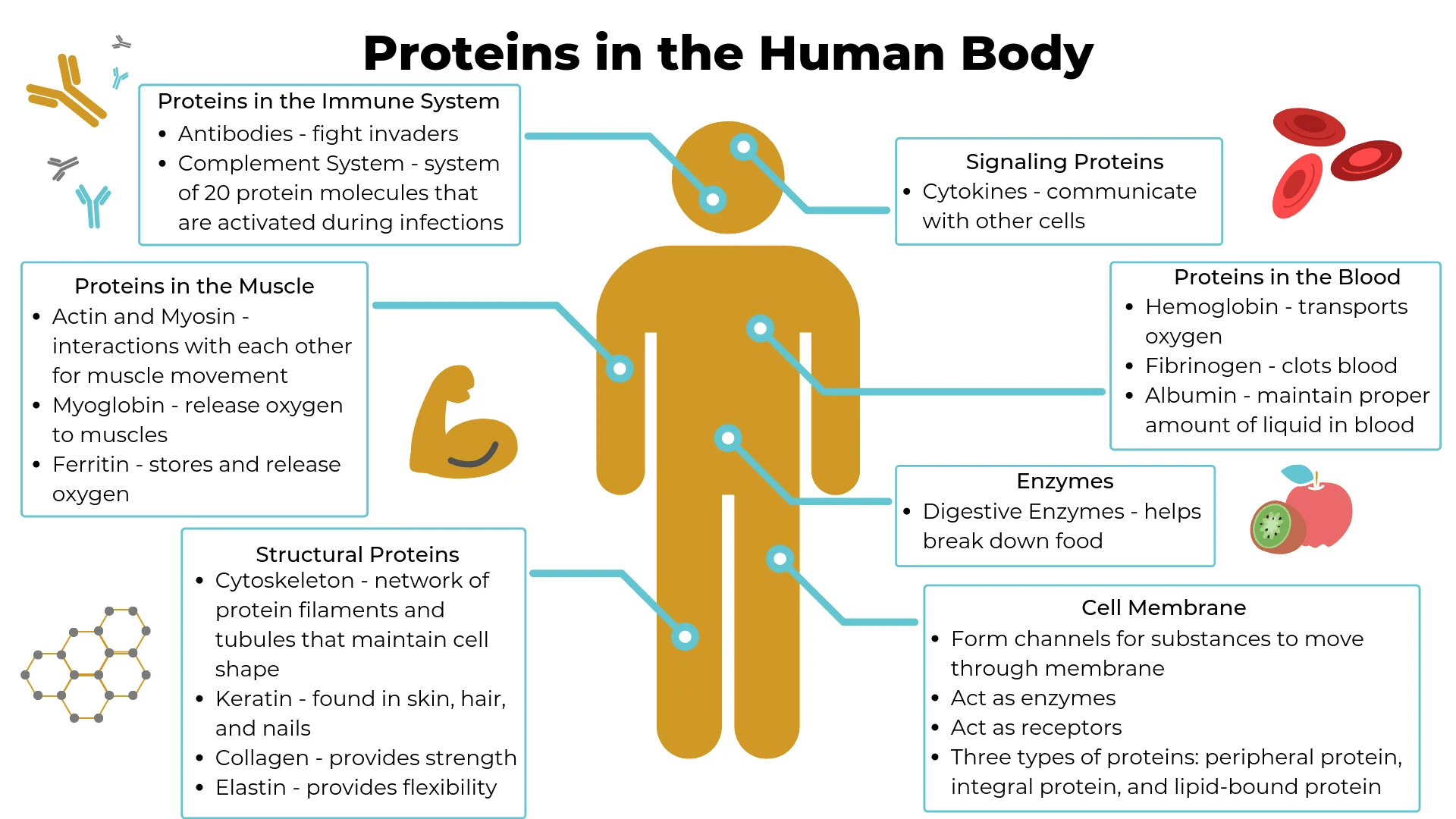
- About half of the dietary protein consumed daily is used to create enzymes, which aid in digestion, energy production, blood clotting, and muscle contraction.
- Structural Role:
- Protein is crucial for bones, muscles, cartilage, skin, hair, and nails.
- Structural proteins include keratin (found in skin, hair, and nails), collagen (the most abundant protein in the body, forming bones, tendons, ligaments, and skin), and elastin (highly elastic, found in tissues like the uterus, lungs, and arteries).
- Regulation of pH:
- Proteins help maintain proper pH levels in the blood and other bodily fluids. Hemoglobin, a protein in red blood cells, binds small amounts of acid, maintaining normal blood pH.
- Hormone Production:
- Proteins and polypeptides make up most hormones in the body, including:
- Glucagon: Signals the breakdown of stored glucose in the liver.
- hGH (human growth hormone): Stimulates growth of various tissues, including bone.
- ADH (antidiuretic hormone): Signals kidneys to reabsorb water.
- Insulin: Signals the uptake of glucose into cells.
- ACTH (adrenocorticotropic hormone): Stimulates adrenal glands to release cortisol, (the stress hormone), that regulates body’s stress response.
- Proteins and polypeptides make up most hormones in the body, including:
- Fluid Balance:
- Proteins like albumin and globulin help maintain fluid balance by attracting and retaining water.
- Low protein intake can decrease levels of these proteins, leading to fluid imbalance and swelling (edema), especially in the stomach area, a condition known as kwashiorkor.
-
According to ICMR (Indian Council of Medical Research) – National Institute of Nutrition, maintaining higher muscle mass improves insulin sensitivity and decreases the risk of diabetes, strokes and heart attacks. Strong and good muscle mass protects joints (hip joint, knee joint) from damage and also delays ageing.
Leave a Reply Cancel reply
Related Posts
March 8, 2025
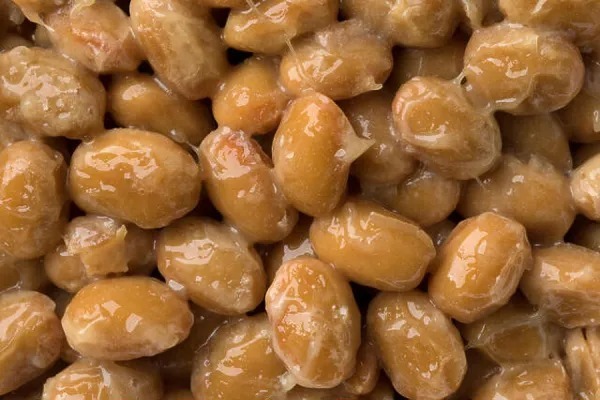
Fermented soybeans play a vital role in traditional recipes across India, Nepal, and Bhutan. In India, these...
March 8, 2025
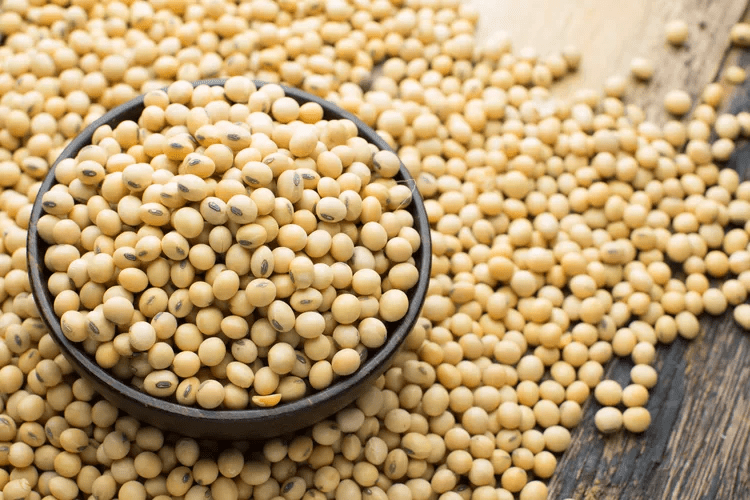
Soybean is richest plant protein source suitable for vegans and vegetarians. Soybeans are a healthy food that...
March 8, 2025
The amino acid score for the amino acids contained in soybean protein is the highest possible score...