
No products added!
About US
Revolutionizing Family Health with Probiotic Nutrition
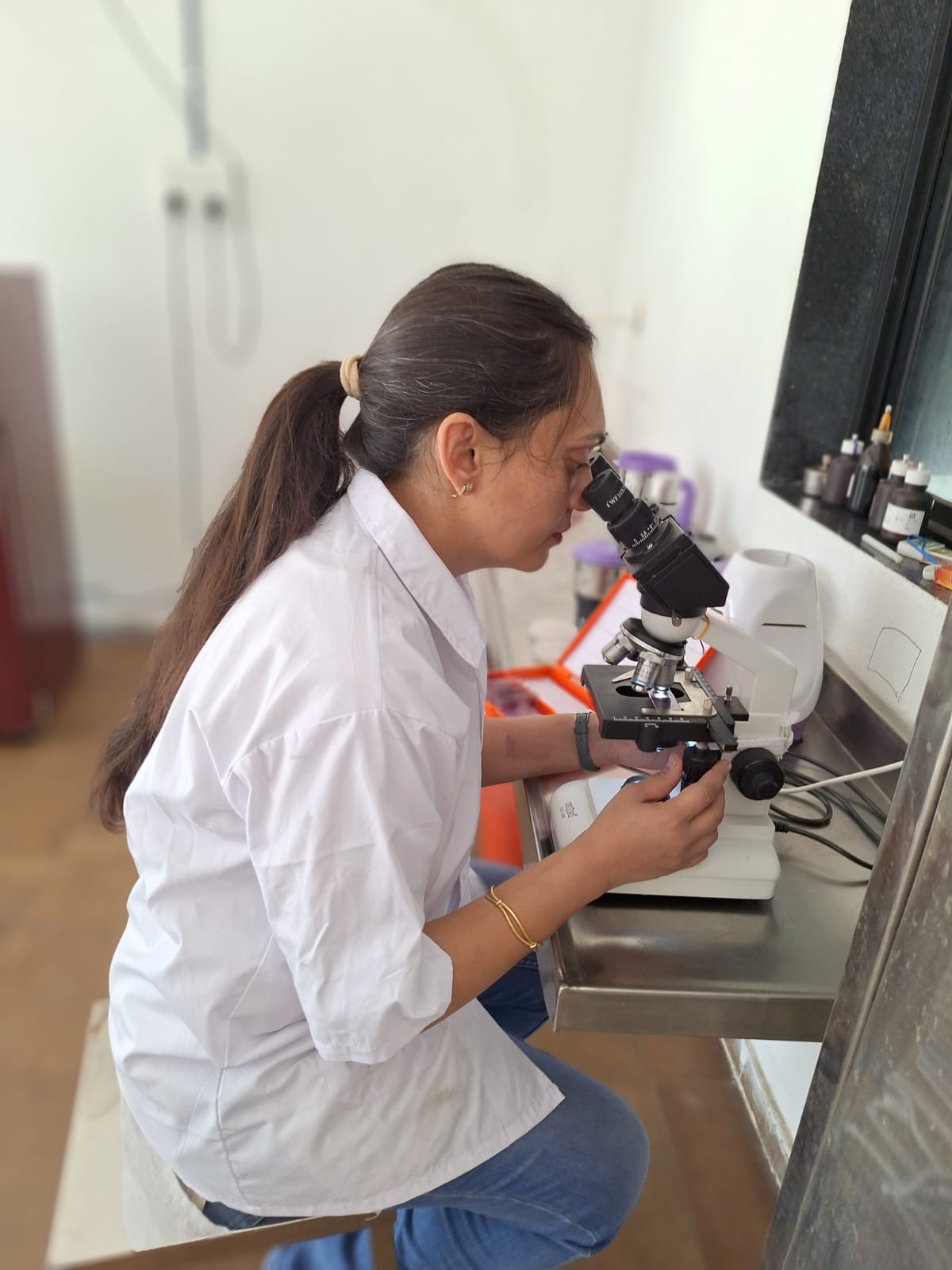
Sur Namay Foods Private Ltd was established in 2024. Bhakti Patel (daughter-in-law), the Founder, the Scientist and Head of Research & Development of the company, has 16 years of experience working as a Biomedical Scientist in various microbiology laboratories of National Health Service Hospitals in the UK. Ramesh Patel (father- in -law), the Director of the company, has 50 years of experience working in different industries in India.
Our company makes probiotic superfoods and NUTRIKUL for the whole family, as well as probiotic protein for active adults and gym-goers. These products are developed in the UK by Bhakti Patel and manufactured in Ahmedabad, India, under guidance of Ramesh Patel. These products have been developed with one specific purpose: to promote the good health of the whole family and the wellbeing of the community. Our aim is to reduce protein, vitamin, and mineral deficiencies in families with Namay Probiotic Products. We are committed to reaching every single family in India and around world with Namay Probiotic Products. Pure, Natural Nutrition for Strong, Healthy Families.
Our company makes probiotic superfoods and NUTRIKUL for the whole family, as well as probiotic protein for active adults and gym-goers. These products are developed in the UK by Bhakti Patel and manufactured in Ahmedabad, India, under guidance of Ramesh Patel. These products have been developed with one specific purpose: to promote the good health of the whole family and the wellbeing of the community. Our aim is to reduce protein, vitamin, and mineral deficiencies in families with Namay Probiotic Products. We are committed to reaching every single family in India and around world with Namay Probiotic Products. Pure, Natural Nutrition for Strong, Healthy Families.

Our Story
My name is Bhakti Patel, a 40-year-old specialist biomedical scientist living in the UK with my husband, Jignesh Patel, and our son, Namay. Due to health issues, I transitioned from permanent to contract work in a medical microbiology laboratory at the National Health Service UK. I have a passion for reading, especially on topics like the environment, agriculture, microbiology, and spiritual books such as the Shrimad Bhagwat, Ramayana, and Shrimad Bhagwat Gita.
Struggling with my health in the UK's climate, I considered moving to India but wasn't sure what I would do there. Fascinated by agriculture, I embarked on a journey of learning. I first visited an organic farm and fertilizer lab in Maharashtra with the experienced and renowned scientist Jayant Barve, where I witnessed innovative agricultural microbiology techniques for producing organic fertilizer to maintain soil fertility. Then, I took a permaculture training course at Aaranya Permaculture farm near Hyderabad, where I was amazed by sustainable agriculture practices and the deep knowledge of indigenous nutritional crops like pulses, cereals, millets, vegetables, and fruits directly from passionate farmers.
My visit to Anand Krishi University in Gujarat further deepened my understanding of organic farming, agricultural microbiology practices, and the significance of native nutritional crops through discussions with professors. This journey inspired me to combine my love for microbiology with agriculture in meaningful ways. I returned to the UK to continue my job and volunteered at a permaculture farm, but something still felt missing. Unsure of my exact path in India, I was certain I wanted to do something that would benefit everyone.
Meanwhile, my son, Namay, a 10-year-old national tennis player in the UK, required suitable protein and nutrient sources for his intense physical activity. Being vegetarians, we realized we weren't consuming enough protein and nutrient-rich foods, as our diet was heavily dependent on rice and wheat, and we ate less of cereals, lentils, pulses, and millets, vegetables. Like many families in India and the UK, we also consumed a lot of junk food, especially among the younger generation. This challenge at home sparked an idea—I decided to develop a plant-based product rich in protein, vitamins, and minerals that was affordable for everyone.
Struggling with my health in the UK's climate, I considered moving to India but wasn't sure what I would do there. Fascinated by agriculture, I embarked on a journey of learning. I first visited an organic farm and fertilizer lab in Maharashtra with the experienced and renowned scientist Jayant Barve, where I witnessed innovative agricultural microbiology techniques for producing organic fertilizer to maintain soil fertility. Then, I took a permaculture training course at Aaranya Permaculture farm near Hyderabad, where I was amazed by sustainable agriculture practices and the deep knowledge of indigenous nutritional crops like pulses, cereals, millets, vegetables, and fruits directly from passionate farmers.
My visit to Anand Krishi University in Gujarat further deepened my understanding of organic farming, agricultural microbiology practices, and the significance of native nutritional crops through discussions with professors. This journey inspired me to combine my love for microbiology with agriculture in meaningful ways. I returned to the UK to continue my job and volunteered at a permaculture farm, but something still felt missing. Unsure of my exact path in India, I was certain I wanted to do something that would benefit everyone.
Meanwhile, my son, Namay, a 10-year-old national tennis player in the UK, required suitable protein and nutrient sources for his intense physical activity. Being vegetarians, we realized we weren't consuming enough protein and nutrient-rich foods, as our diet was heavily dependent on rice and wheat, and we ate less of cereals, lentils, pulses, and millets, vegetables. Like many families in India and the UK, we also consumed a lot of junk food, especially among the younger generation. This challenge at home sparked an idea—I decided to develop a plant-based product rich in protein, vitamins, and minerals that was affordable for everyone.
Our Certificates


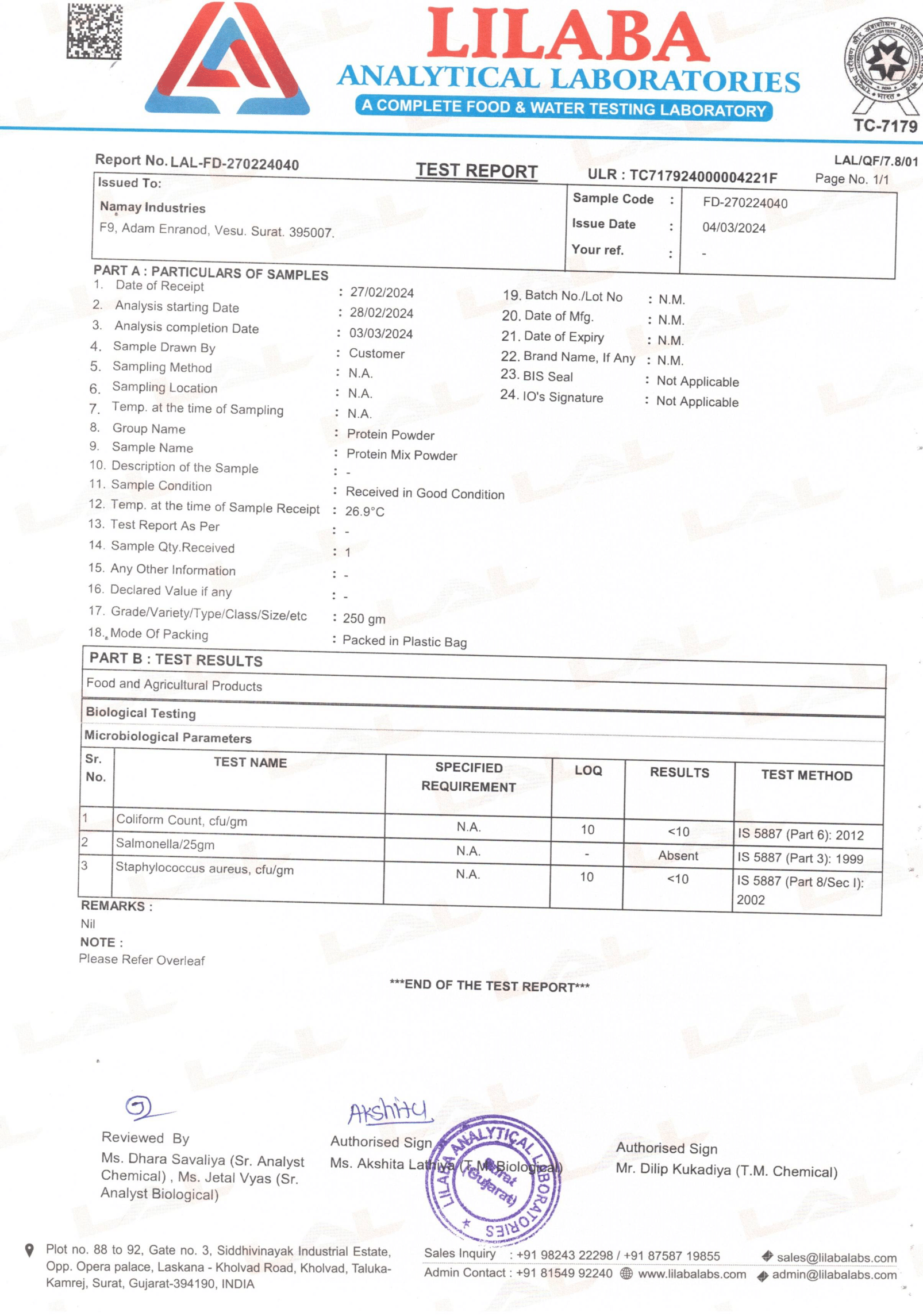
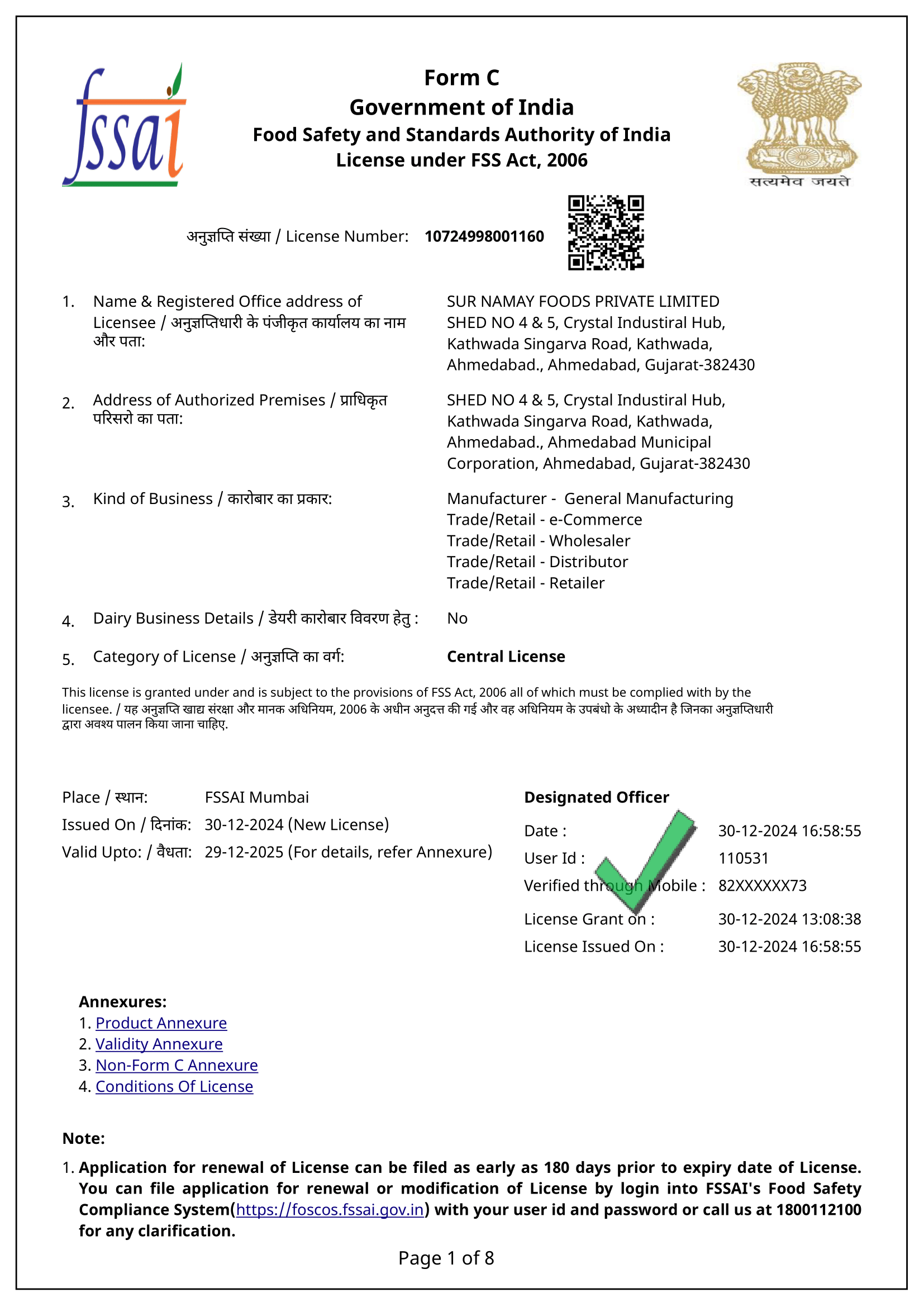
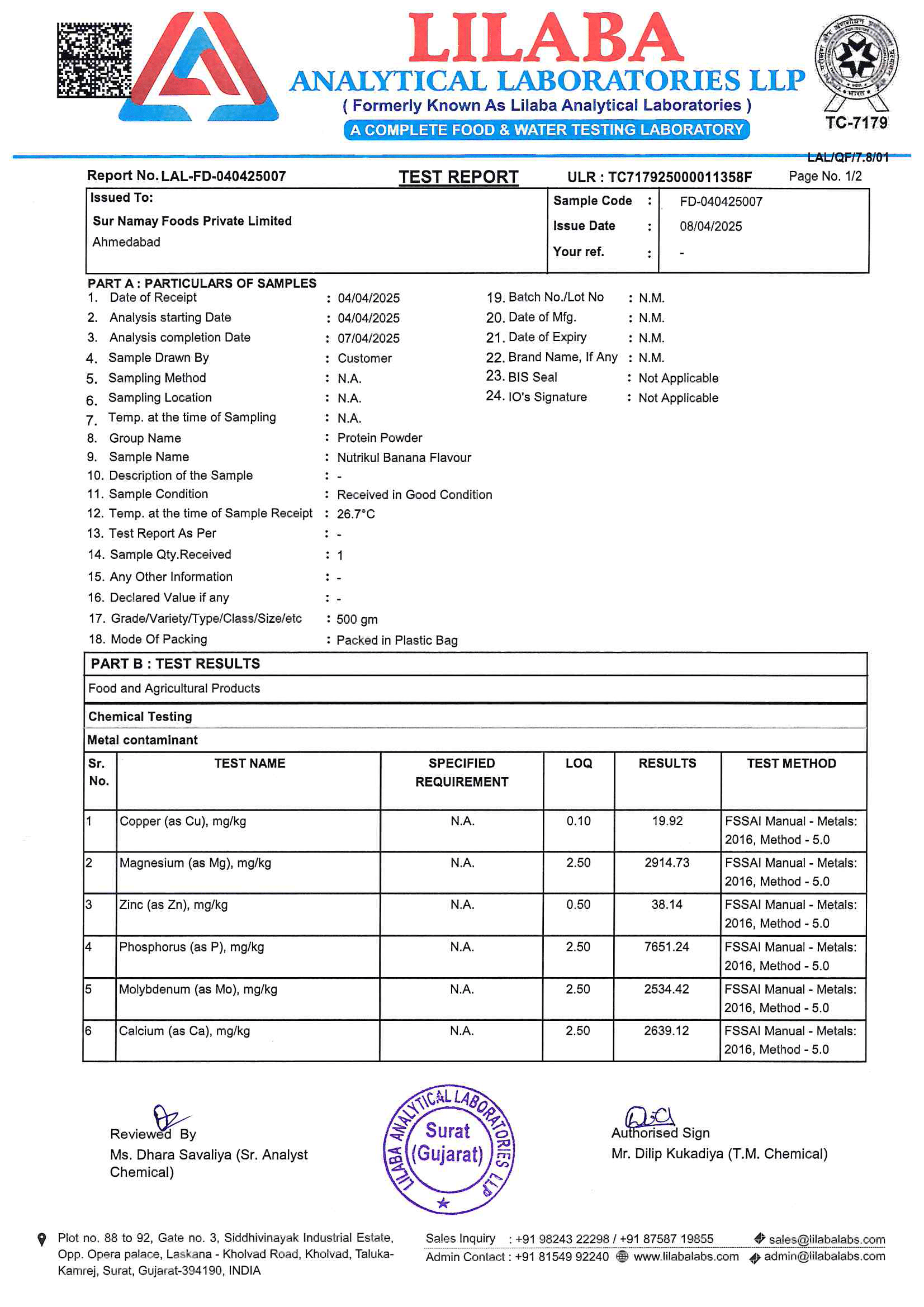
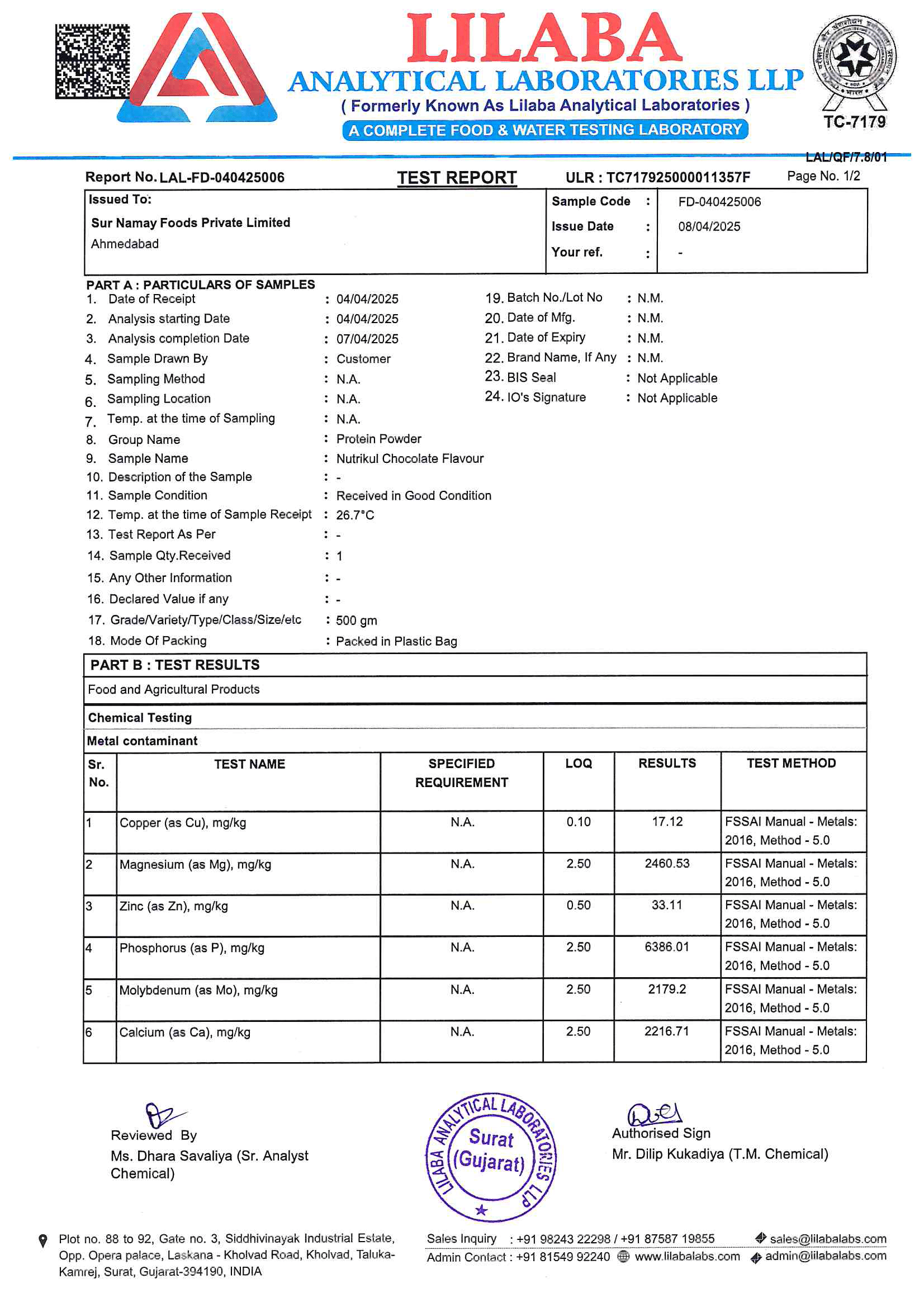

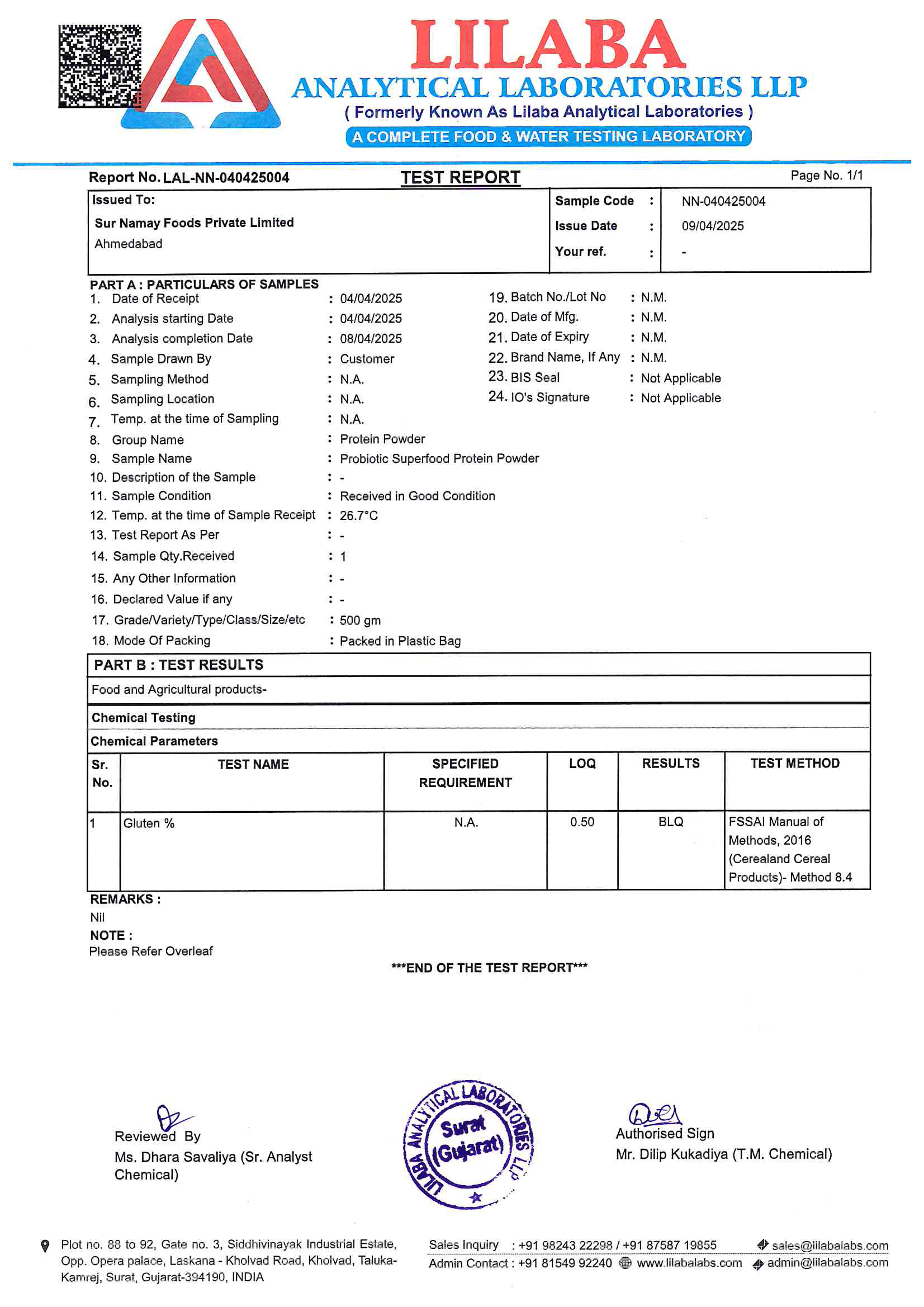
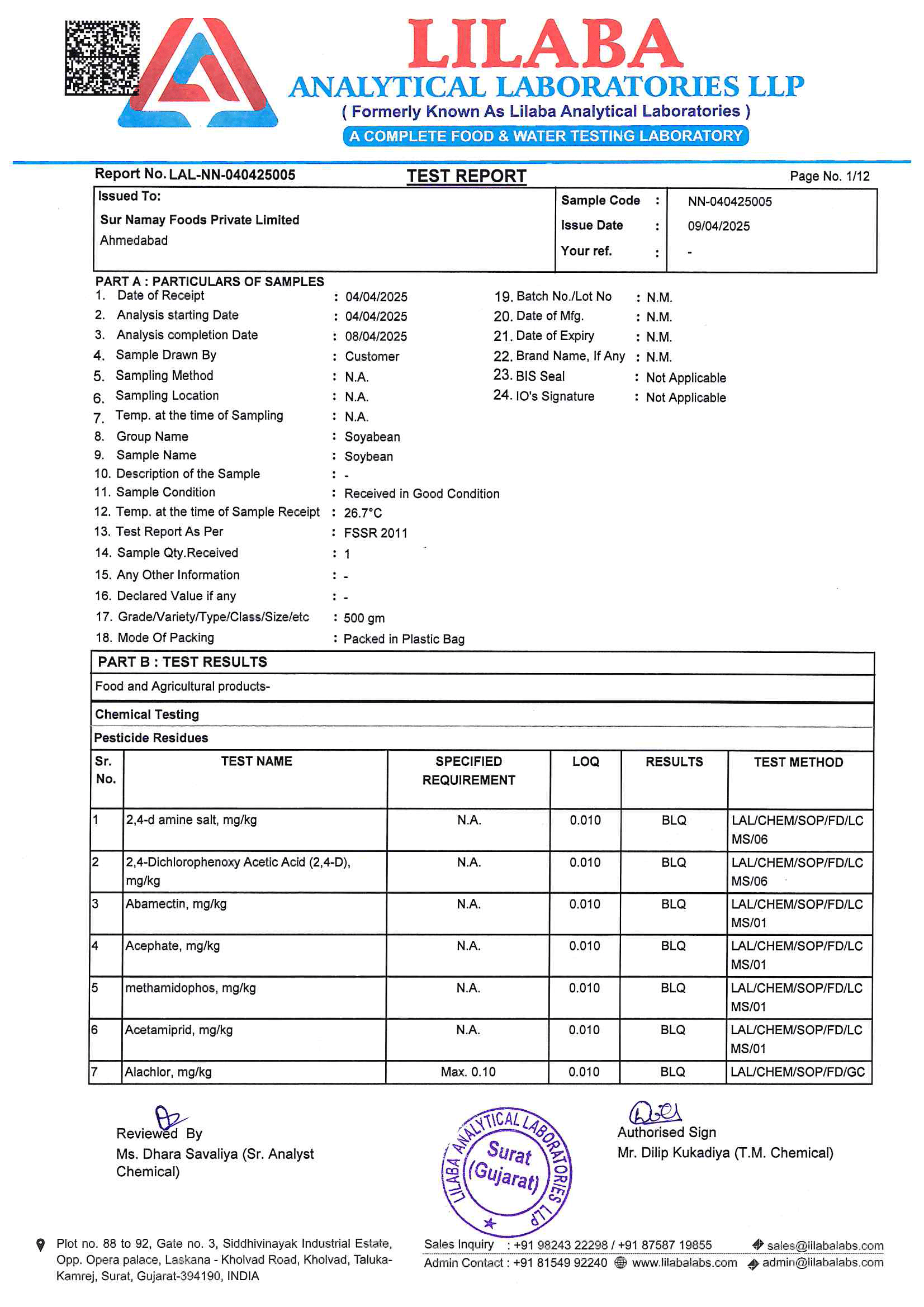
What are Namay Probiotic Products?
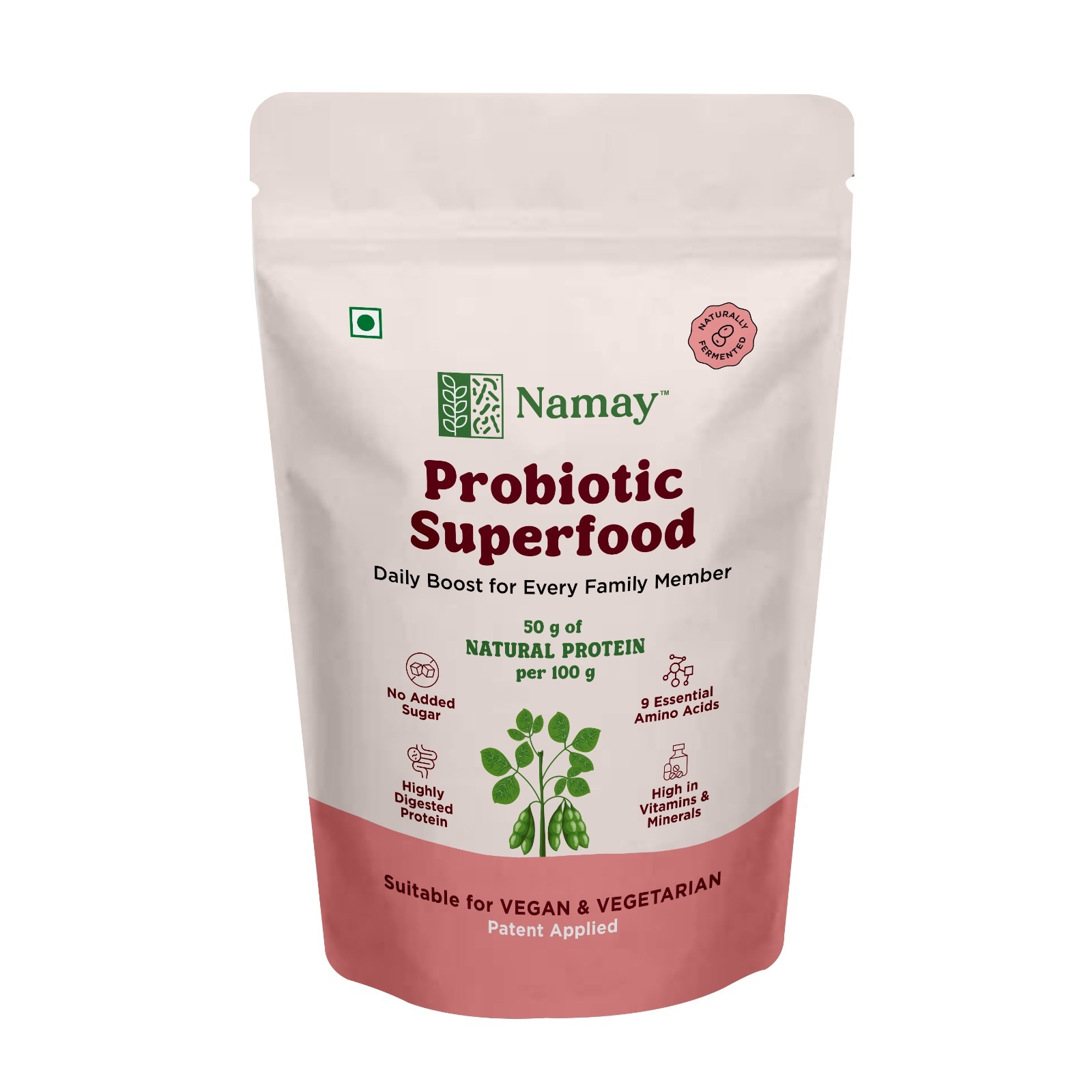
1. Superfood for whole family
This product is an unflavored powder that can be mixed into various food dishes. For example, mix 1 cup of Namay Probiotic Superfood with 3 to 4 cups of your regular atta to make roti, paratha, puri, dosa, idli, dhokla or halwa. Additionally, you can add 1 to 2 spoons to soup, sabji, curry, yogurt, and many more.
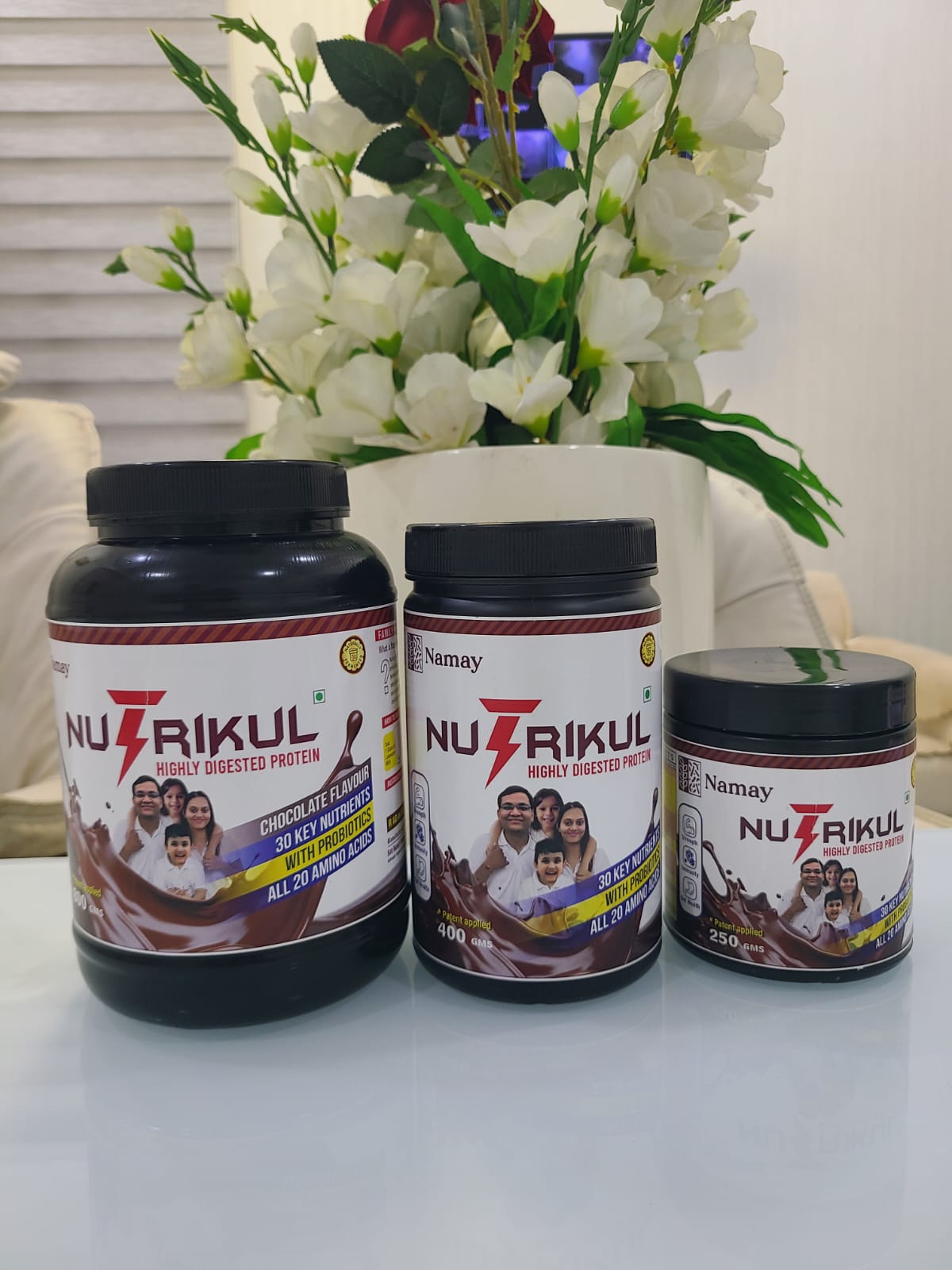
2. NUTRIKUL for whole family
Daily use nutritional flavour powder to be added to milk.
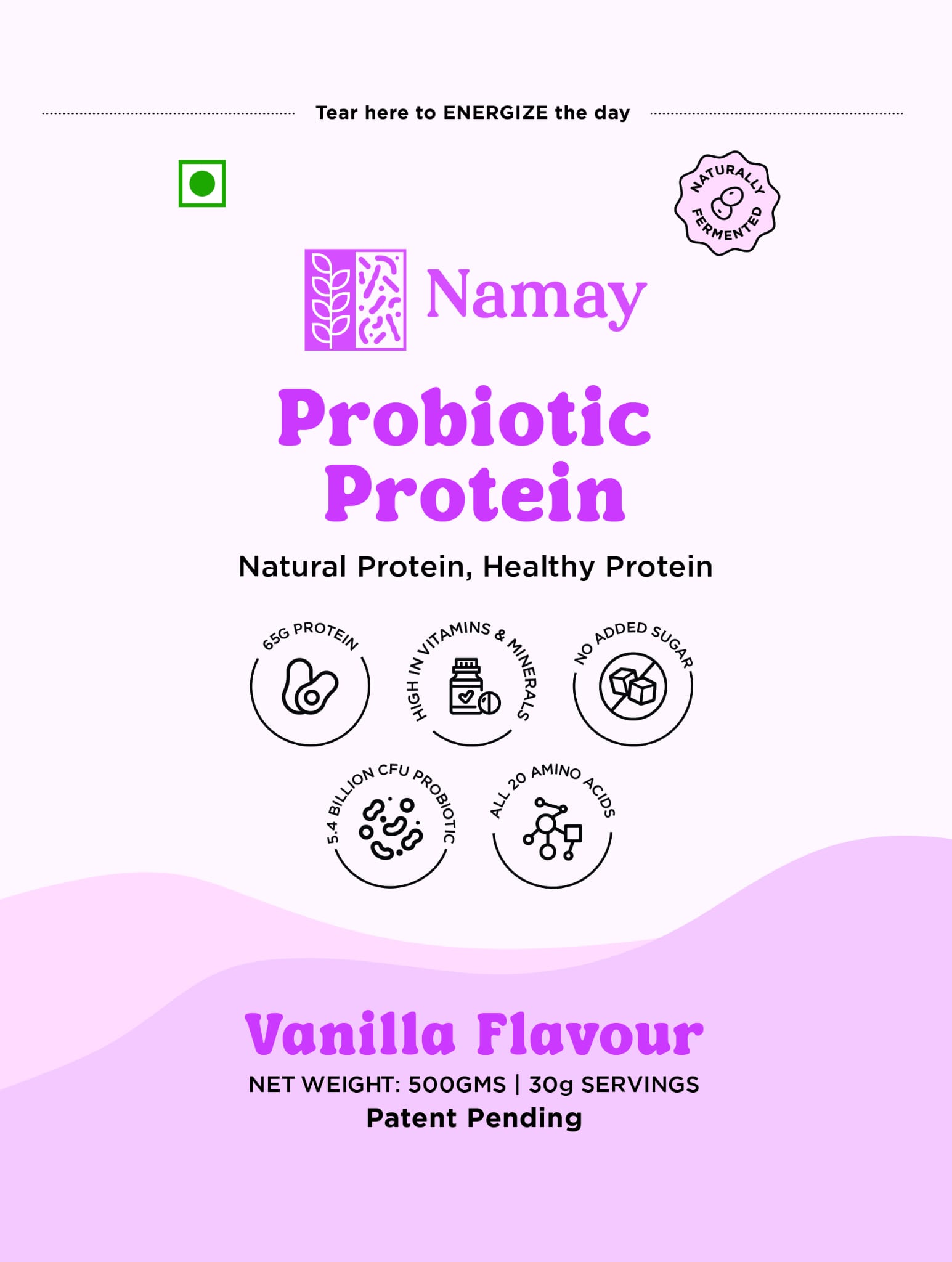
3. Launch Soon
High protein nutritional powder with flavours to be added to water.
What are Namay Probiotic Products?
Currently, we manufacture three types of Namay Probiotic Products:

1. Superfood for whole family
This product is an unflavored powder that can be mixed into various food dishes. For example, mix 1 cup of Namay Probiotic Superfood with 3 to 4 cups of your regular atta to make roti, paratha, puri, dosa, idli, dhokla or halwa. Additionally, you can add 1 to 2 spoons to soup, sabji, curry, yogurt, and many more.
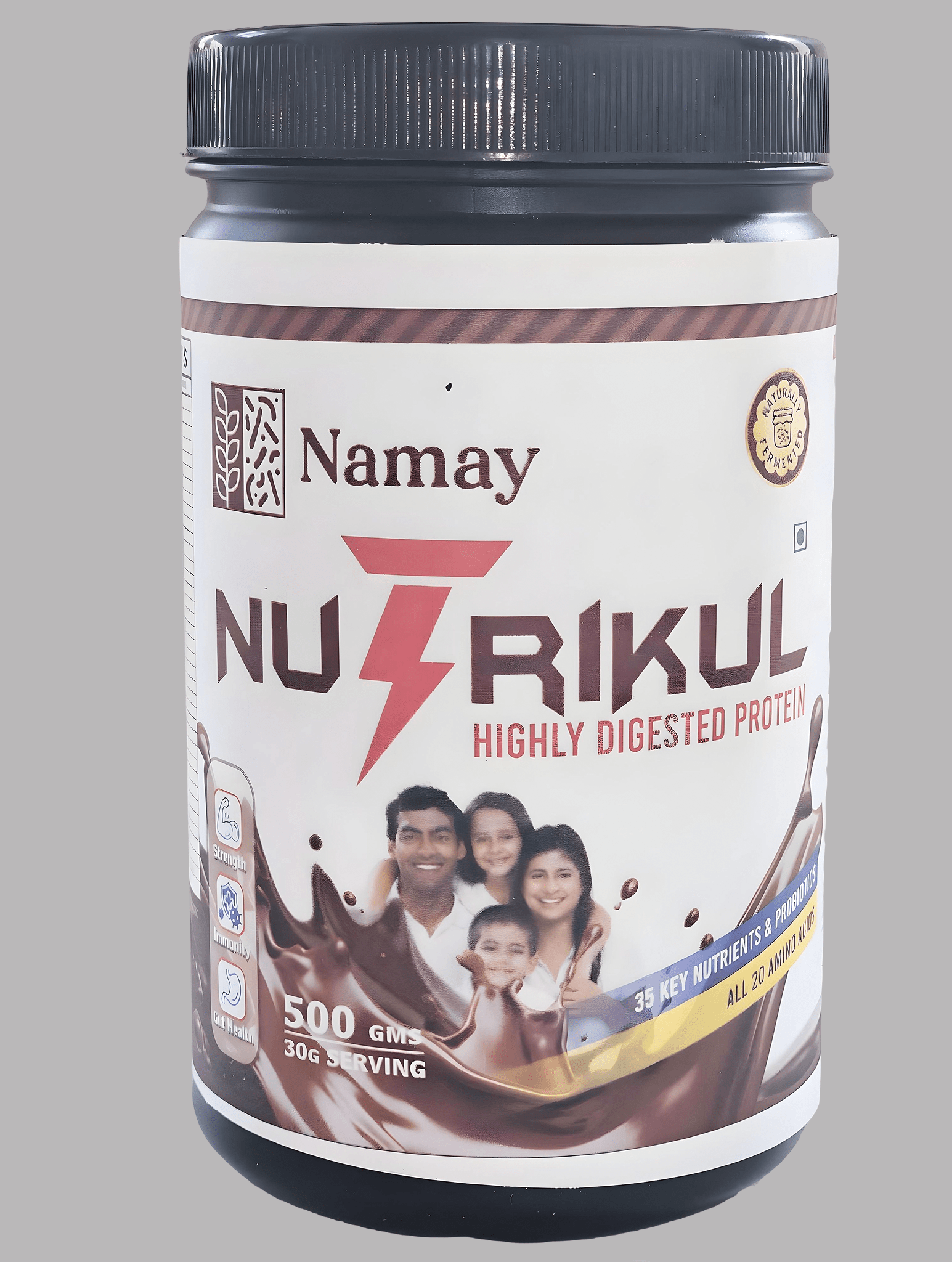
2. NUTRIKUL for whole family
Daily use nutritional flavour powder to be added to milk.
3. Probiotic Protein for Active Adults and Gym-Goers
High protein nutritional powder with flavours to be added to water.
How Namay Probiotic Products are prepared?
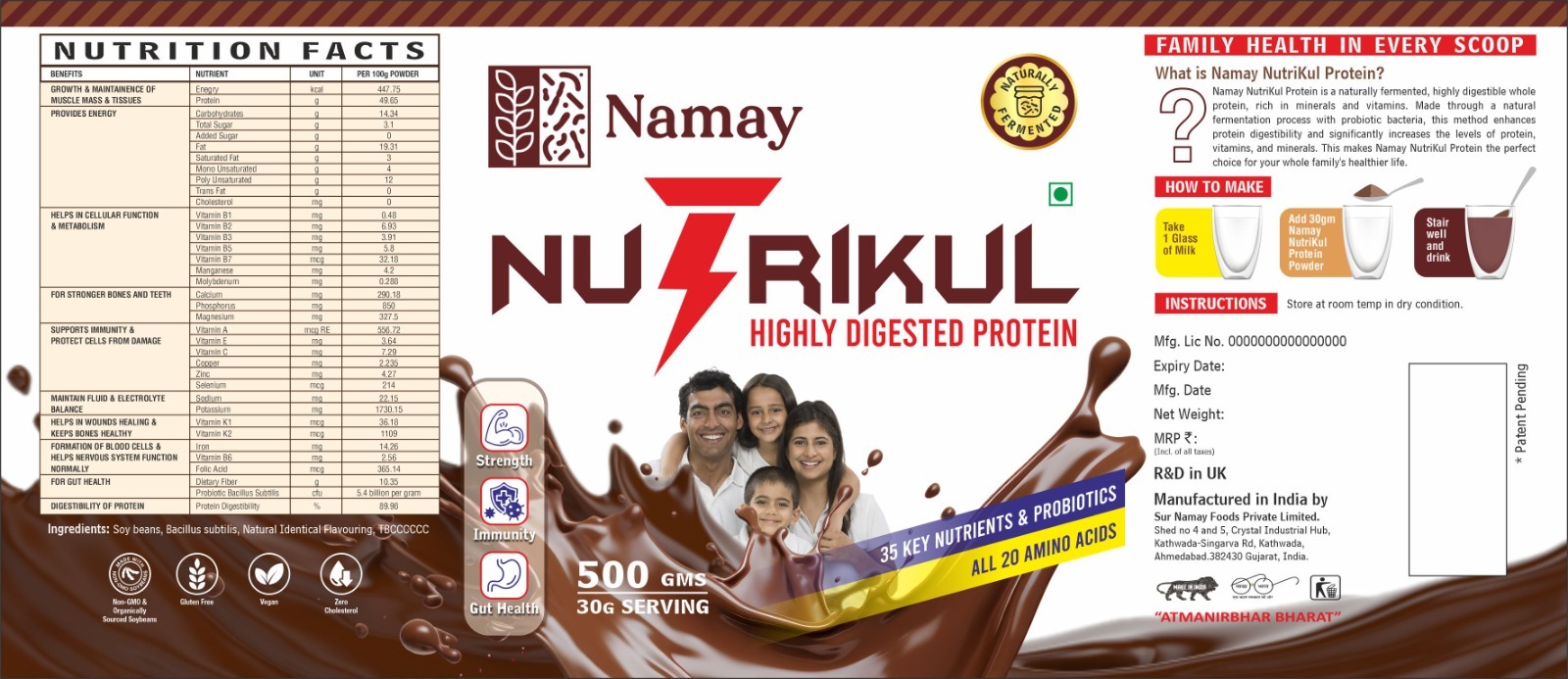
Namay Probiotic Products are naturally prepared through a fermentation process. In this process, whole soybeans are fermented with gut-friendly bacteria, making them nutritionally rich products.
How fermentation process makes Namay Probiotic Products nutritionally superior?
- Key Reasons for Nutritional Superiority of Namay Probiotic Products through Fermentation:
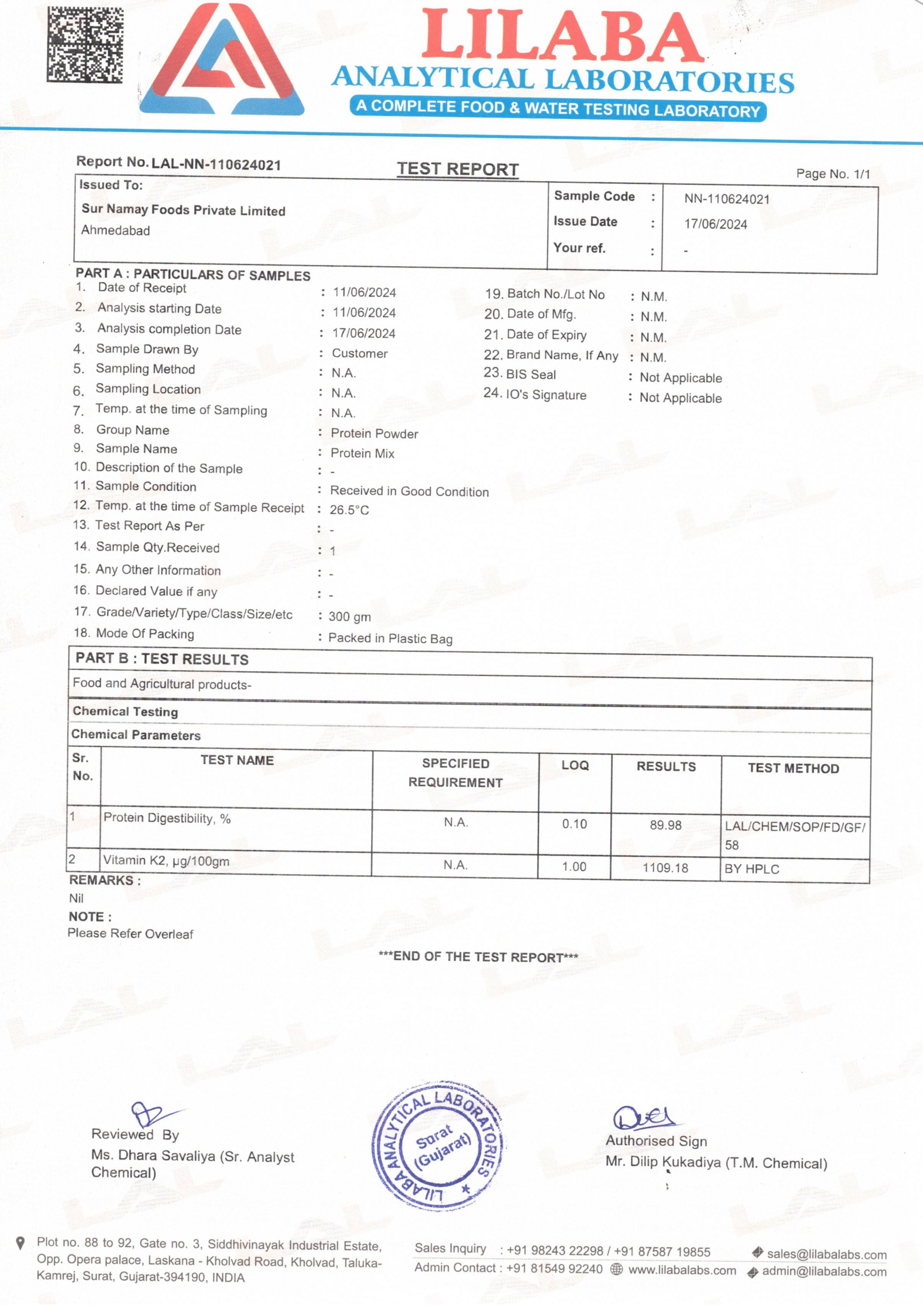
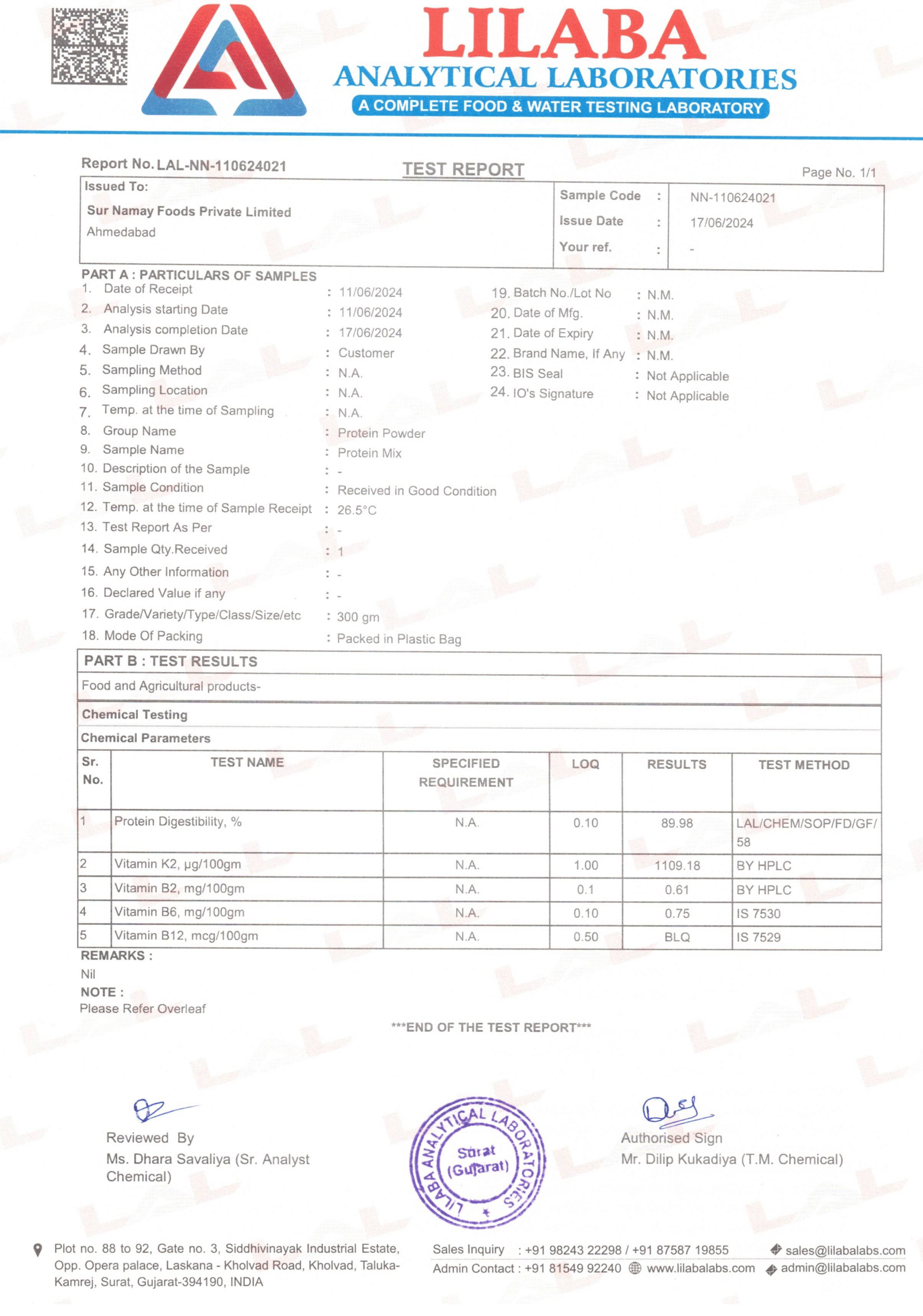
- Enhanced Digestibility: During the fermentation process, probiotic bacteria Bacillus subtilis produce proteolytic enzymes that convert hard soy proteins into easily digestible amino acids and peptides. This natural fermentation process enhances protein digestibility. Namay Probiotic Products have a highly digestible whole protein with a protein digestibility rate of 89.98%, proven in NABL accredited testing laboratory in India.
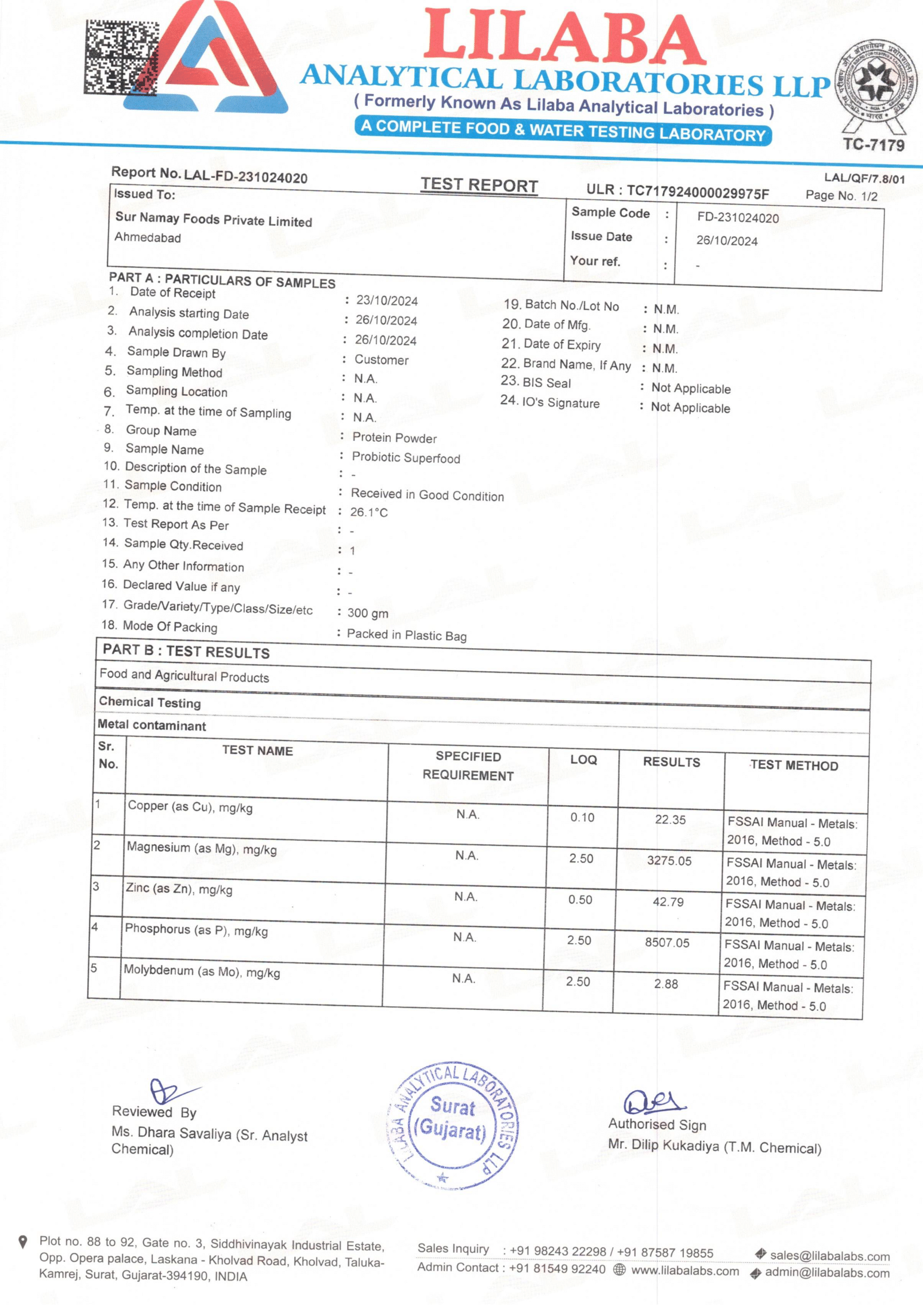
- High Nutritional Value: Namay Probiotic Products are rich in protein, iron, calcium, potassium, sodium, phosphorus, manganese, magnesium, selenium, copper, zinc, molybdenum, dietary fibre, vitamin A, vitamin B1, vitamin B2, vitamin B3, vitamin B5, vitamin B6, vitamin B7, vitamin B9, vitamin C, vitamin E, vitamin K1, and vitamin K2.
- Improved Nutrient Content: Due to the fermentation process, the protein, vitamin, and mineral values are significantly higher in Namay Probiotic Products compared to raw soybeans. This improvement is validated by reports from NABL accredited testing laboratories in Gujarat, India.
- Beneficial Bacteria: Namay Probiotic Products contain up to 5.4 billion CFU of beneficial Bacillus subtilis bacteria in spore form. A spore is a natural cell structure that protects bacteria against heat and dryness. In spore form, bacteria can safely pass through gastric acid and reach the intestines. Once in the intestines, Bacillus subtilis assists digestion, absorption of nutrients, and stimulates the immune system.
- Complete Natural Protein: Namay Probiotic Products contain complete, good-quality natural protein, including all 20 amino acids (9 essential amino acids + 11 non-essential amino acids).
- Health Benefits: Namay Probiotic Products are healthy options with low fat and zero cholesterol. They also contain phenols, which have antioxidant properties and therapeutic value.
- Family and Fitness: This natural fermentation process makes Namay Probiotic Products the perfect choice for the whole family’s healthier life and the wellbeing of exercise enthusiasts.
- Innovation: Our company has filed a patent for the manufacturing process of this novel invention.
How Namay Probiotic Products are prepared?
Namay Probiotic Products are naturally prepared through a fermentation process. In this process, whole soybeans are fermented with gut-friendly bacteria, making them nutritionally rich products.
How fermentation process makes Namay Probiotic Products nutritionally superior?
- Key Reasons for Nutritional Superiority of Namay Probiotic Products through Fermentation:
- Enhanced Digestibility: During the fermentation process, probiotic bacteria Bacillus subtilis produce proteolytic enzymes that convert hard soy proteins into easily digestible amino acids and peptides. This natural fermentation process enhances protein digestibility. Namay Probiotic Products have a highly digestible whole protein with a protein digestibility rate of 89.98%, proven in NABL accredited testing laboratory in India.
- High Nutritional Value: Namay Probiotic Products are rich in protein, iron, calcium, potassium, sodium, phosphorus, manganese, magnesium, selenium, copper, zinc, molybdenum, dietary fibre, vitamin A, vitamin B1, vitamin B2, vitamin B3, vitamin B5, vitamin B6, vitamin B7, vitamin B9, vitamin C, vitamin E, vitamin K1, and vitamin K2.
- Improved Nutrient Content: Due to the fermentation process, the protein, vitamin, and mineral values are significantly higher in Namay Probiotic Products compared to raw soybeans. This improvement is validated by reports from NABL accredited testing laboratories in Gujarat, India.
- Beneficial Bacteria: Namay Probiotic Products contain up to 5.4 billion CFU of beneficial Bacillus subtilis bacteria in spore form. A spore is a natural cell structure that protects bacteria against heat and dryness. In spore form, bacteria can safely pass through gastric acid and reach the intestines. Once in the intestines, Bacillus subtilis assists digestion, absorption of nutrients, and stimulates the immune system.
- Complete Natural Protein: Namay Probiotic Products contain complete, good-quality natural protein, including all 20 amino acids (9 essential amino acids + 11 non-essential amino acids).
- Health Benefits: Namay Probiotic Products are healthy options with low fat and zero cholesterol. They also contain phenols, which have antioxidant properties and therapeutic value.
- Family and Fitness: This natural fermentation process makes Namay Probiotic Products the perfect choice for the whole family’s healthier life and the wellbeing of exercise enthusiasts.
- Innovation: Our company has filed a patent for the manufacturing process of this novel invention.
What is a Superfood?
- A Superfood is a food that is nutritionally balanced and is higher in nutritional value than ordinary foods, or a food that has a dramatically higher content of some particular nutrients or healthy ingredients.
- Superfoods are in between ordinary foods and supplements. They can be used as ingredients in cooking or as health foods.
Sources: “Japan Superfoods Association®”
What is a Superfood?
- A Superfood is a food that is nutritionally balanced and is higher in nutritional value than ordinary foods, or a food that has a dramatically higher content of some particular nutrients or healthy ingredients.
- Superfoods are in between ordinary foods and supplements. They can be used as ingredients in cooking or as health foods.
Sources: “Japan Superfoods Association®”
What is Probiotic?
- Probiotics are live microorganisms (microbes) that have beneficial effects on or inside our body. Every human body is home to trillions of microorganisms that live with us and help support our bodily functions and health. Not all of the microbes we may carry are helpful to us — some types (germs) can be harmful. But probiotics are beneficial microbes, which help to control the potentially harmful microbes.
Bacillus subtilis: A Healthy Probiotic Strain
Bacillus subtilis is a rod-shaped, Gram-positive bacterium found in soil and the gut of humans and animals. Commonly used in probiotic supplements, it supports digestion, enzyme production, and immune and digestive health.
Key Health Benefits:
- Gut Health and Strain Survivability:
- Helps balance the gut microbiota.
- Forms endospores to withstand heat, light, and other stressors.
- Highly viable in supplement formulations and even survives in space for up to six years when protected from UV rays.
- Resists Harmful Organisms:
- Produces compounds that disrupt harmful organisms.
- Binds and breaks down mycotoxins, reducing contamination in foods and fixing cell damage caused by aflatoxins and mycotoxins.
- Supports Enzyme Production:
- Promotes the production of beneficial enzymes like amylase, protease, pullulanase, chitinase, xylanase, and lipase.
- Enzymes, in turn, help create a favourable environment for probiotic bacteria and promote intestinal integrity.
- Other Health Benefits:
- Supports a healthy immune system, especially in older adults.
- Protects DNA integrity, making it resistant to mutation.
- Contributes to overall digestive health.
History and Safety:
- Originally named Vibrio subtilis by Christian Gottfried Ehrenberg, it was renamed Bacillus subtilis in 1872 by Ferdinand Cohn.
- Historically used for gastrointestinal health, animal feed, probiotic supplements, and food production.
- Used in Japan and Korea for fermented soybean dishes.
- Considered safe for human consumption by the U.S. FDA and the European Food Safety Authority.
Bacillus subtilis is a beneficial probiotic strain that offers various health benefits and is widely recognized for its safety and effectiveness.
Sources: https://globalhealing.com/blogs/education/bacillus-subtilis-probiotic-strain
How Namay Probiotic Products Help for Good Gut Health & Immune System:
Namay Probiotic Products contain up to 5.4 billion CFU of Bacillus subtilis in spore form. Spores protect the bacteria against heat and dryness, allowing them to safely pass through gastric acid and reach the intestines. Once in the intestines, Bacillus subtilis assists digestion, enhances nutrient absorption, and stimulates the immune system, helping to protect against infections and illnesses. Widely available, Namay Probiotic Products support a healthier gut, stronger immune system, and overall family well-being.
Why Choose Namay Probiotic Products?
- Naturally Fermented
- Highly Digestible Protein
- Highly Nutritional and Economical
- Daily Probiotic Support
- Complete Amino Acid Profile: Contains all 20 amino acids (9 essential and 11 non-essential).
- Low Fat, Zero Cholesterol
- Gluten-Free and Vegan
- Non-GMO and Pesticide-Free Soybeans
Where do we get our soybeans from?
Soybeans are bought from Indians farmers, who do not use pesticides to grow soybeans.
Why Do We Need Nutritionally Adequate Food?
Nutrients from food are essential for:
- Physical growth and development
- Maintaining normal body functions
- Physical activity
- Overall health
Our diet must provide all essential nutrients in the required amounts. Nutrient needs vary by age, gender, physiological status, and physical activity. Undernutrition (from insufficient intake) or overnutrition (from excessive intake) can lead to health problems. Adequate nutrition is especially critical during key life stages such as infancy, childhood, adolescence, pregnancy, and lactation.
Nutritional Components:
- Macronutrients:
- Carbohydrates, Fats, and Proteins: Needed in large amounts for energy and body functions.
- Micronutrients:
- Vitamins and Minerals: Required in small amounts for physiological and biochemical processes.
Carbohydrates:
- Sources: Simple carbs (glucose and fructose) in fruits, vegetables, honey; sucrose in sugar; lactose in milk. Complex carbs (starches) in cereals, millets, pulses, root vegetables, and glycogen in animal foods.
- Dietary Fibre: Found in vegetables, whole grains, and cereals. Helps delay and retard absorption of carbs and fats, increases satiety, and aids in blood glucose and lipid regulation.
In India, 70-80% of dietary calories come from carbohydrates in plant foods. A diet rich in complex carbohydrates and fibre is healthier than one based on refined and processed foods.
Fats:
- Energy Source: Fats provide 9 Kcal/g and are made up of fatty acids.
- Types: Visible fats (butter, ghee, oils) and invisible fats (in plant and animal foods).
- Benefits: Serve as a vehicle for fat-soluble vitamins (A, D, E, K) and carotenes, and provide essential polyunsaturated fatty acids.
- Dietary Importance: Adequate, high-quality fats with sufficient polyunsaturated fatty acids are necessary for meeting essential fatty acid requirements. The type and amount of fat influence cholesterol and triglyceride levels.
- Special Considerations: Infants and children need adequate fats for concentrated energy due to higher energy needs per kg body weight. Adults should limit saturated fats (butter, ghee, hydrogenated fats) and cholesterol (red meat, eggs, organ meat) to prevent obesity, diabetes, cardiovascular disease, and cancer.
Sources: https://www.nin.res.in/downloads/DietaryGuidelinesforNINwebsite.pdf
What is Protein? and why Protein is important for our body?
- Proteins are made up of amino acids.
- Role in our Body:
- Protein is the second most abundant compound in our body after water.
- Protein is an energy source essential for building, repairing, and maintaining tissues.
- Protein Utilization:
- Normally, the body breaks down and uses the same amount of protein to maintain tissue. However, at times of illness, pregnancy, breastfeeding, injury recovery, and for athletes, the body’s need for protein increases.
- Enzyme Production:
- About half of the dietary protein consumed daily is used to create enzymes, which aid in digestion, energy production, blood clotting, and muscle contraction.
- Structural Role:
- Protein is crucial for bones, muscles, cartilage, skin, hair, and nails.
- Structural proteins include keratin (found in skin, hair, and nails), collagen (the most abundant protein in the body, forming bones, tendons, ligaments, and skin), and elastin (highly elastic, found in tissues like the uterus, lungs, and arteries).
- Regulation of pH:
- Proteins help maintain proper pH levels in the blood and other bodily fluids. Hemoglobin, a protein in red blood cells, binds small amounts of acid, maintaining normal blood pH.
- Hormone Production:
- Proteins and polypeptides make up most hormones in the body, including:
- Glucagon: Signals the breakdown of stored glucose in the liver.
- hGH (human growth hormone): Stimulates growth of various tissues, including bone.
- ADH (antidiuretic hormone): Signals kidneys to reabsorb water.
- Insulin: Signals the uptake of glucose into cells.
- ACTH (adrenocorticotropic hormone): Stimulates adrenal glands to release cortisol, (the stress hormone), that regulates body’s stress response.
- Proteins and polypeptides make up most hormones in the body, including:
- Fluid Balance:
- Proteins like albumin and globulin help maintain fluid balance by attracting and retaining water.
- Low protein intake can decrease levels of these proteins, leading to fluid imbalance and swelling (edema), especially in the stomach area, a condition known as kwashiorkor.
- According to ICMR (Indian Council of Medical Research) – National Institute of Nutrition, maintaining higher muscle mass improves insulin sensitivity and decreases the risk of diabetes, strokes and heart attacks. Strong and good muscle mass protects joints (hip joint, knee joint) from damage and also delays ageing.
Sources: https://www.healthline.com/nutrition/functions-of-protein#TOC_TITLE_HDR_3
: https://www.nin.res.in/downloads/DietaryGuidelinesforNINwebsite.pdf
Protein Deficiency: Not Getting Enough Protein
Like iron and calcium deficiency, protein deficiency is a common threat for the Indian population. Many Indians don’t consider it a significant concern, but the consequences can be severe. Here’s what can happen due to protein deficiency:
- Wasting and Shrinking of Muscle Tissue: Protein is essential for muscle health.
- Slow Growth in Children: Protein is crucial for growth and development.
- Impaired Immune System: Protein is vital for a strong immune response.
- Feeling Weak or Hungry: Protein provides energy and helps satisfy hunger.
- Oedema: Fluid buildup, especially in feet and ankles.
- Anaemia: Reduced oxygen delivery to cells, often due to dietary deficiencies like lack of iron.
- Sarcopenia: Loss of skeletal muscle with age, worsened by illness, poor diet, and inactivity.
- Brittle Hair and Nails: Often the first sign of protein deficiency.
Signs You Might Be Protein Deficient
- Protein Cravings: Craving protein-rich foods indicates low protein levels. Listen to your body and consume protein.
- Sugar Cravings: High-carb, low-protein meals can cause sugar spikes and drops, leading to sugar cravings. Pair carbs with protein for steadier blood sugar levels.
- Hunger: Lack of protein can make you feel hungrier. Protein lowers the “hunger” hormone ghrelin and boosts hormones that make you feel full, increasing your appetite if deficient.
Sources: https://www.self.com/story/protein-deficiency
What is good quality protein? and why Namay Probiotic Products are good quality proteins?
According to Indian Council of Medical Research- National Institute of Nutrition, Human body requires only 20 amino acids. Thousands of different types of proteins are made from these 20 amino acids. Of these 20, nine amino acids are not synthesized in our body, hence these should be obtained from food, and these are termed as essential amino acids (EAA). A diet with all 20 amino acids including 9 essential amino acids referred to as good quality proteins, these are essential in the maintenance of muscle mass.
Namay Probiotic Products contain all 20 amino acids including 9 essential amino acids and 11 nonessential amino acids. Therefore, Namay Probiotic Products are source of good quality proteins.
How much protein do we require for our body?
- According to the Indian Council of Medical Research- National Institute of Nutrition, the recommended dietary allowance for protein intake for an average Indian adult is 0.83g protein/kg/day for healthy men and women.
- International Society of Sports Nutrition suggests 1.4 to 2 g protein per kg body weight per day.
- Protein requirements vary with age, physiological status, health and stress level.
- Sources:
- https://www.nin.res.in/downloads/DietaryGuidelinesforNINwebsite.pdf
- https://jissn.biomedcentral.com/articles/10.1186/1550-2783-4-8
What are vitamins and minerals? What is their function in our body?
Vitamins:
- Definition: Chemical compounds required by the body in small amounts, essential for numerous body processes and structural maintenance (skin, bones, nerves, eyes, brain, blood, mucous membranes).
- Types:
- Fat-Soluble: Vitamins A, D, E, and K. Stored in the body.
- Water-Soluble: Vitamin C and B-complex vitamins (thiamine B1, riboflavin B2, niacin B3, pyridoxine B6, folic acid B9, cyanocobalamin B12). Not stored in the body and excreted in urine.
- Pro-vitamin: Beta-carotene, converted to vitamin A in the body.
- Stability: Water-soluble vitamins B-complex and C are heat labile and can be destroyed by heat, air, or during drying, cooking, and processing.
Minerals:
Definition: Inorganic elements found in body fluids and tissues, essential for nerve cell transmission, acid/base and fluid balance, enzyme and hormone activity, and blood clotting.
- Types:
- Macro Minerals: Sodium, potassium, calcium, phosphorus, magnesium, and sulfur.
- Micro Minerals: Zinc, copper, selenium, molybdenum, fluorine, cobalt, chromium, and iodine.
Namay Probiotic Products have following vitamins and minerals.
What are vitamins and minerals? What is their function in our body?
Vitamins:
- Definition: Chemical compounds required by the body in small amounts, essential for numerous body processes and structural maintenance (skin, bones, nerves, eyes, brain, blood, mucous membranes).
- Types:
- Fat-Soluble: Vitamins A, D, E, and K. Stored in the body.
- Water-Soluble: Vitamin C and B-complex vitamins (thiamine B1, riboflavin B2, niacin B3, pyridoxine B6, folic acid B9, cyanocobalamin B12). Not stored in the body and excreted in urine.
- Pro-vitamin: Beta-carotene, converted to vitamin A in the body.
- Stability: Water-soluble vitamins B-complex and C are heat labile and can be destroyed by heat, air, or during drying, cooking, and processing.
Minerals:
Definition: Inorganic elements found in body fluids and tissues, essential for nerve cell transmission, acid/base and fluid balance, enzyme and hormone activity, and blood clotting.
- Types:
- Macro Minerals: Sodium, potassium, calcium, phosphorus, magnesium, and sulfur.
- Micro Minerals: Zinc, copper, selenium, molybdenum, fluorine, cobalt, chromium, and iodine.
Namay Probiotic Products have following vitamins and minerals.
| Vitamin B1, B2, B3, B5, B7 | Help the body release energy from food. |
| Keep skin, eyes and the nervous system healthy. | |
| Vitamin A, Vitamin E | Help maintain healthy skin and eyes and strengthen the body’s natural defence against illness and infection (the immune system). |
| Vitamin C | Helps to protect cells and keeping them healthy. |
| Maintaining healthy skin, blood vessels, bones and cartilage. | |
| Helping with wound healing. | |
| Vitamin K1 and K2 | Help in wounds healing and keep bones healthy. |
| Vitamin B6, B9 & IRON | They are important in energy metabolism and making red blood cells, which carry oxygen around the body |
| Molybdenum | Molybdenum helps make and activate some of the proteins involved in chemical reactions (enzymes) that help with repairing and making genetic material. |
| Calcium and Phosphorus | Help in building strong bone and teeth. |
| Magnesium | Turns the food we eat into energy. |
| Make sure that the parathyroid glands, which produce hormones important for bone health, work normally. | |
| Manganese | Manganese helps make and activate some of the enzymes in the body. Enzymes are proteins that help the body carry out chemical reactions, such as breaking down food. |
| Copper | Produces red and white blood cells. |
| Triggers the release of iron to form haemoglobin, the substance that carries oxygen around the body. | |
| It’s also thought to be important for infant growth, brain development, the immune system and strong bones. | |
| Zinc | Zinc helps with making new cells and enzymes, energy metabolism and wound healing. |
| Selenium | Selenium helps the immune system work properly, as well as in reproduction. It also helps prevent damage to cells and tissues. |
| Sodium | Keeps the level of fluids balanced in the body. |
| Potassium | Potassium is a mineral that helps control the balance of fluids in the body and helps the heart muscle work properly. |
: https://www.nin.res.in/downloads/DietaryGuidelinesforNINwebsite.pdf
Benefits of Vitamin K2:
Vitamin K2, a lesser-known fat-soluble vitamin, plays a crucial role in supporting overall health, with its most prominent benefits often associated with bone health and cardiovascular well-being.
- Bone Health:
Vitamin K2 is instrumental in regulating calcium metabolism in the body. It works to ensure that calcium is appropriately directed to the bones and teeth, contributing to bone mineralization and density.
This function is particularly vital in helping to support stronger bones, which is important for healthy aging. Studies suggest that adequate Vitamin K2 intake is associated with a lower risk of bone fractures and improved bone health.
- Heart Health:
Beyond bone health, Vitamin K2 plays a significant role in cardiovascular well-being. Research indicates that it helps prevent the buildup of calcium in arterial walls, which helps to support arterial flexibility.
By ensuring that calcium is deposited in the bones and teeth rather than accumulating in arteries, Vitamin K2 supports healthy blood vessels, ultimately supporting overall cardiovascular function. - Dental Health:
Vitamin K2 is a silent hero when it comes to dental health. It plays a pivotal role in regulating calcium metabolism, ensuring that calcium is directed to the teeth, strengthening tooth enamel, and preventing its harmful buildup in soft tissues.
This precise calcium regulation helps to regulate tooth decay, which is essential for overall oral health.
Namay Probiotic Products have 1109 mcg of Vitamin K2 per 100gm of powder.
Sources: https://www.utzy.com/blogs/health/nattokinase-vs-vitamin-k2
Nutrient Requirements and RDA
RDAs ensure the nutrient needs of individuals are met, considering bioavailability. They vary by age, gender, and activity levels. Adequate nutrition is crucial throughout life stages to support growth and health.
Sources: https://www.nin.res.in/downloads/DietaryGuidelinesforNINwebsite.pdf
The difference between Plant Protein and Animal Protein?
The protein contained in beans, wheat, rice and other vegetables is called vegetable protein. The protein contained in meat, fish and shellfish, eggs, and dairy products is called animal protein. The insects that have attracted attention recently as a sustainable food are also rich in animal protein.
Whether protein comes from animal sources or vegetable sources is not a question of good or bad, but there are differences in terms of the types and balance of essential amino acids contained in these types of protein.
Although the scientific basis has not yet been adequately established, the results of multiple cohort studies suggest that “excessive intake of total protein and animal protein may pose the risk of Type 2 diabetes and other lifestyle-related diseases, while vegetable protein showed either no correlation or a possible preventive effect.”
(from Japan Vegetable Protein Food Association)
Sources: Vegetable protein and health See Japan Vegetable Protein Food Association (protein.or.jp)
The Amino Acid score of the Soybeans
The amino acid score for the amino acids contained in soybean protein is the highest possible score of 100. The other sources of protein with perfect scores of 100 are animal proteins such as meat, fish and shellfish, milk, eggs and so on. Soybeans are the only staple crop that has a score of 100. This score is due to the outstanding amino acid balance in soybeans.
What the Food Safety Commission of Japan says about eating Soybean foods?
“Japanese people have long experience when it comes to eating traditional soybean foods such as tofu, natto, boiled soybeans and miso in their daily dietary lifestyles. No adverse health impacts due to soybean isoflavone as a result of eating these soybean foods have been reported, and there is no cause for concern.”
Sources: https://www.natto-power.com/healthy/index.html
What is importance of the Soybeans?
- Soybean is richest plant protein source suitable for vegans and vegetarians.
- Soybeans are a healthy food that has abundant quantities of high-quality protein containing all 9 essential amino acids and is also low in fat.
- Soybeans reduce total blood cholesterol levels, LDL (bad) cholesterol levels and triglycerides, while moderately increasing HDL (good) cholesterol levels. soy foods is linked with a lower risk of cardiovascular disease, including stroke and coronary heart disease.
- Soybean contains isoflavonoids, which mimic estrogen, aiding in diabetes prevention, glucose metabolism, and osteoporosis prevention.
- Due to their phytoestrogen content, it is thought soy can reduce menopausal symptoms (such as hot flushes).
- Soyabean also contains phenols that have cancer preventive effect. In recent years, it has also been in the spotlight for its expected ability to prevent breast cancer in women and prostate cancer in men.
- Folate (vitamin B9) in soyabean plays important role during pregnancy for growth and development of fetus.
- Vitamin K1 in soyabean also known as phylloquinone plays important role for blood clotting.
- Vitamin B1 in soybean supports heart, nerve, and muscle function.
- Bone Health: Bone remodeling involves osteoclasts resorbing old bone and osteoblasts forming new bone, maintaining bone volume and structure. Soy isoflavones like genistin and daidzin help prevent osteoporosis by mimicking estrogen, regulating bone remodeling, reducing inflammation, and promoting calcium absorption. Studies, such as the Study of Women’s Health Across the Nation (SWAN), suggest that soy consumption may reduce bone loss and improve bone health, particularly in postmenopausal women.
- Sources: https://www.healthline.com/nutrition/soybeans#vitamins-minerals
https://www.betterhealth.vic.gov.au/health/healthyliving/soybeans
https://www.ncbi.nlm.nih.gov/pmc/articles/PMC4717511/#:~:text=They%20can%20act%20as%20an,the%20major%20isoflavones%20in%20soy
Soybeans in the Himalayas:
Soybeans are a significant part of the Himalayan agriculture. Grown alongside crops like rice and maize up to elevations of 1500 meters, two main varieties, yellow and dark brown, are planted in May and June and harvested in November. These soybeans are integral to various traditional recipes across India, Nepal, and Bhutan.
Fermented Soybeans and Their Cultural Significance:
Fermentation enhances the sensory quality and nutritional value of soybeans. Ethnic fermented soybean dishes include Kinema (Nepal, Darjeeling, Sikkim, Bhutan), Hawaijar (Manipur), Tungrymbai (Meghalaya), Bekang (Mizoram), Aakhone (Nagaland), and Peruyyan (Arunachal Pradesh). These foods, known for their unique flavours and sticky texture, hold cultural significance and are consumed extensively by Mongolian races, illustrating their historical and dietary importance.
Cultural Significance of fermented soybeans in Asia:
Soybeans are a staple in Asian diets, playing a vital role in traditional cuisine in countries like China, Korea, Japan, India, Nepal, and Bhutan:
- In China, soybeans are used to make tofu, soy sauce, and fermented products like tempeh.
- In Korea, soybean products like doenjang (fermented soybean paste) and tofu are integral to the diet.
- In Japan, soybeans are used in various forms, including miso, natto, and tofu, which are essential components of daily meals.
- In India, soybeans are used in various dishes and as a meat substitute for vegetarians.
- In Nepal and Bhutan, fermented soybean foods like Kinema are popular.
The consumption of soybeans across these regions highlights their nutritional benefits and cultural importance, making soy a key ingredient in Asian culinary traditions.
This emphasizes the cultural significance, health benefits, and safety of soybeans and fermented soybean foods in the Himalayan region and broader Asia.
Sources: https://journalofethnicfoods.biomedcentral.com/articles/10.1186/s42779-022-00146-3
Our Story:
My name is Bhakti Patel, a 40-year-old specialist biomedical scientist living in the UK with my husband, Jignesh Patel, and our son, Namay. Due to health issues, I transitioned from permanent to contract work in a medical microbiology laboratory at the National Health Service UK. I have a passion for reading, especially on topics like the environment, agriculture, microbiology, and spiritual books such as the Shrimad Bhagwat, Ramayana, and Shrimad Bhagwat Gita.
Struggling with my health in the UK’s climate, I considered moving to India but wasn’t sure what I would do there. Fascinated by agriculture, I embarked on a journey of learning. I first visited an organic farm and fertilizer lab in Maharashtra with the experienced and renowned scientist Jayant Barve, where I witnessed innovative agricultural microbiology techniques for producing organic fertilizer to maintain soil fertility. Then, I took a permaculture training course at Aaranya Permaculture farm near Hyderabad, where I was amazed by sustainable agriculture practices and the deep knowledge of indigenous nutritional crops like pulses, cereals, millets, vegetables, and fruits directly from passionate farmers.
My visit to Anand Krishi University in Gujarat further deepened my understanding of organic farming, agricultural microbiology practices, and the significance of native nutritional crops through discussions with professors. This journey inspired me to combine my love for microbiology with agriculture in meaningful ways. I returned to the UK to continue my job and volunteered at a permaculture farm, but something still felt missing. Unsure of my exact path in India, I was certain I wanted to do something that would benefit everyone.
Meanwhile, my son, Namay, a 10-year-old national tennis player in the UK, required suitable protein and nutrient sources for his intense physical activity. Being vegetarians, we realized we weren’t consuming enough protein and nutrient-rich foods, as our diet was heavily dependent on rice and wheat, and we ate less of cereals, lentils, pulses, and millets, vegetables. Like many families in India and the UK, we also consumed a lot of junk food, especially among the younger generation. This challenge at home sparked an idea—I decided to develop a plant-based product rich in protein, vitamins, and minerals that was affordable for everyone.
During my agricultural training, I encountered various nutritional pulses, cereals, and millets, but soybeans caught my attention due to their high protein content and nutritional benefits. However, soybeans are difficult to digest and can cause bloating and gas. Combining my microbiology knowledge as a scientist and inspired by my readings on the benefits of fermented soybeans—consumed for centuries in regions like East Nepal, Darjeeling Hills, Sikkim, and Northeast India—I began developing a highly nutritious product made from soybeans fermented with gut-friendly bacteria and fungi in my UK kitchen laboratory. After numerous trials and laboratory tests, I perfected the recipe.
To manufacture this product in India for public welfare, we established a production facility in Ahmedabad under my father-in-law’s guidance and with significant financial support from my husband. We conducted extensive trials to ensure the product’s quality and nutritional profile in different weather conditions. Despite the challenges, we successfully produced dried soybean powder fermented with gut-friendly bacteria. This product, Namay Probiotic Superfood, can be added to various dishes like roti, bhakhri, dhokla, dosa, idli, and cake without altering the taste, addressing the need for nutritious food for the entire family. After successful trials and nutrient & microbiology testing in NABL-certified labs, we distributed the product to families in India and the UK, receiving positive feedback on improved digestion and acceptance without altering the taste.
I also developed two more products:
- Probiotic Protein Powder: Mixes with water, providing easily digestible high amounts of protein, probiotics, vitamins, and minerals for active adults and gym-goers. Available in a variety of flavours to suit your taste.
- NUTRIKUL: A flavoured powder rich in protein, probiotics, vitamins, and minerals. Suitable for all ages, it can be added to milk and offers highly digestible nutrients, unlike commercial powders which often contain only sugar and flavouring.
“Join us in embracing Namay Probiotic products and live healthier. Pure, Natural Nutrition for Strong, Healthy Families. We’re dedicated to bringing our products to every household in India and around the world, fostering a healthier lifestyle for all.”
Unique Fashion
Cherishing Your New Styles
Non curabitur gravida arcu ac tortor dignissim convallis. Amet est placerat in egestas. Erat nam at lectus urna. Nibh mauris cursus mattis molestie a iaculis at erat. Sit amet justo donec enim diam vulputate. Pellentesque adipiscing commodo elit at. Nunc faucibus a pellentesque sit amet porttitor eget dolor morbi.
Reviews
Client Thoughts

‘’Venenatis tellus in metus vulputate eu scelerisque felis imperdiet varius duis at.‘’

‘’Ornare quam viverra orci sagittis eu volutpat odio facilisis nec dui nunc mattis.‘’

‘’Suspendisse faucibus interdum posuere lorem ipsum dolor. Urna cursus eget nunc scelerisque.‘’

‘’Suspendisse faucibus interdum posuere lorem ipsum dolor. Urna cursus eget nunc scelerisque.‘’

Free Shipping
On Order Above $20

Easy Returns
7 Days Free Returns

Quality Products
Deliver 100% Quality Products

Secure Guarantee
100% Secured Shopping Ecperience