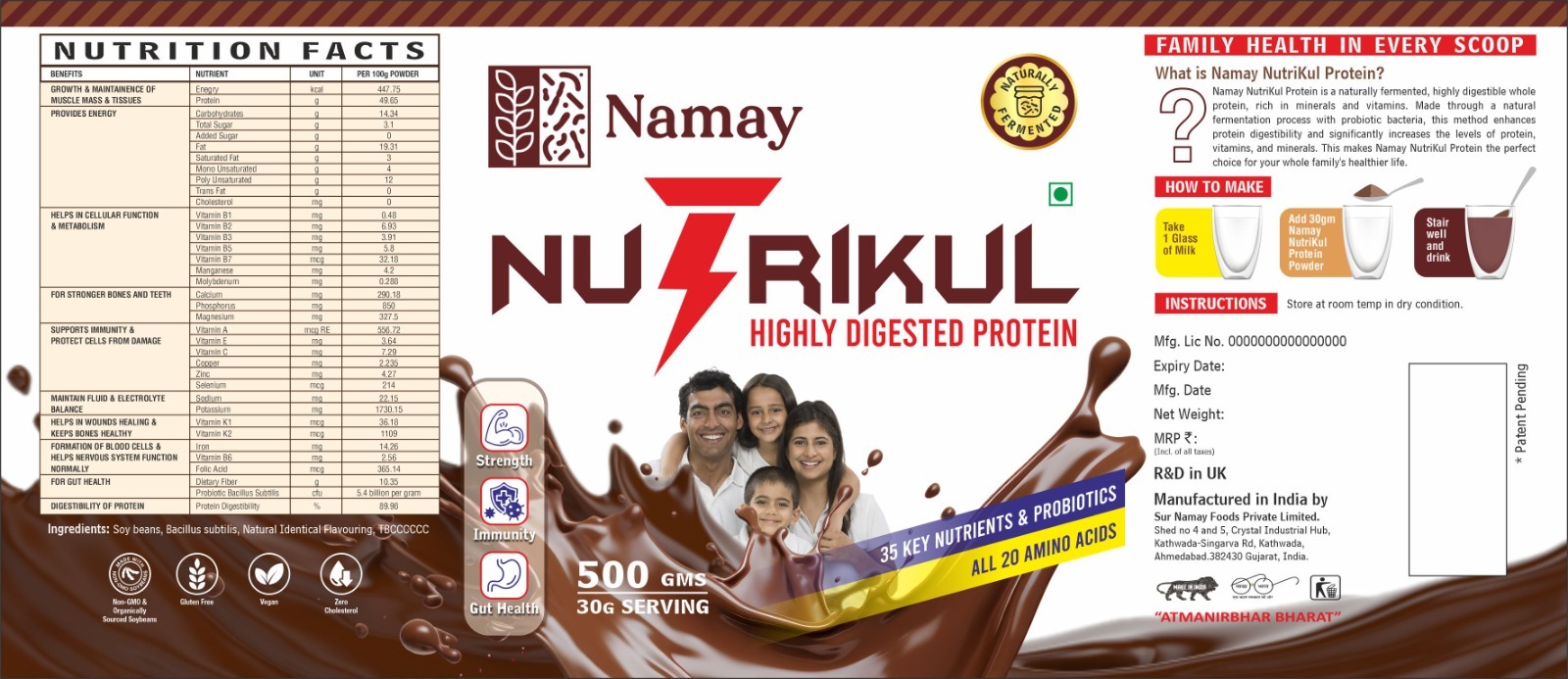
Complete Amino Acid Profile: Contains all 20 amino acids (9 essential and 11 non-essential).
Low Fat, Zero Cholesterol
Gluten-Free and Vegan
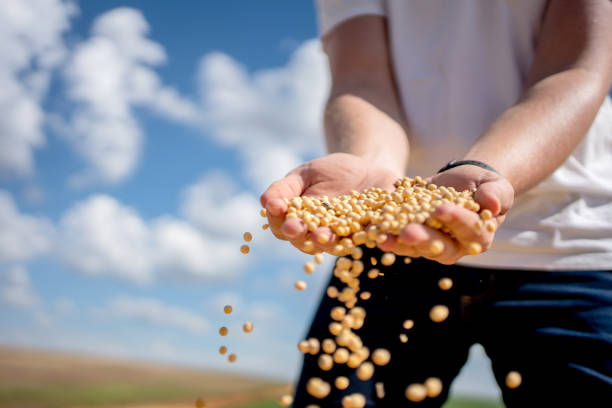
Non-GMO and Pesticide-Free Soybeans
Naturally Fermented
Naturally Fermented

Highly Digestible Protein
Highly Nutritional and Economical
Daily Probiotic Support
Complete Amino Acid Profile: Contains all 20 amino acids (9 essential and 11 non-essential).
Low Fat, Zero Cholesterol
Gluten-Free and Vegan
Non-GMO and Pesticide-Free Soybeans
Where do we get our soybeans from?
Soybeans are bought from Indians farmers, who do not use pesticides to grow soybeans.
Why Do We Need Nutritionally Adequate Food?
Nutrients from food are essential for:
Physical growth and development
Maintaining normal body functions
Physical activity
Overall health
Our diet must provide all essential nutrients in the required amounts. Nutrient needs vary by age, gender, physiological status, and physical activity. Undernutrition (from insufficient intake) or overnutrition (from excessive intake) can lead to health problems. Adequate nutrition is especially critical during key life stages such as infancy, childhood, adolescence, pregnancy, and lactation.
Nutritional Components:
1. Macronutrients:
Carbohydrates, Fats, and Proteins: Needed in large amounts for energy and body functions.
2. Micronutrients:
Vitamins and Minerals: Required in small amounts for physiological and biochemical processes.
Carbohydrates:
Sources: Simple carbs (glucose and fructose) in fruits, vegetables, honey; sucrose in sugar; lactose in milk. Complex carbs (starches) in cereals, millets, pulses, root vegetables, and glycogen in animal foods.
Dietary Fibre: Found in vegetables, whole grains, and cereals. Helps delay and retard absorption of carbs and fats, increases satiety, and aids in blood glucose and lipid regulation.
In India, 70-80% of dietary calories come from carbohydrates in plant foods. A diet rich in complex carbohydrates and fibre is healthier than one based on refined and processed foods.
Fats:
Energy Source: Fats provide 9 Kcal/g and are made up of fatty acids.
Types: Visible fats (butter, ghee, oils) and invisible fats (in plant and animal foods).
Benefits: Serve as a vehicle for fat-soluble vitamins (A, D, E, K) and carotenes, and provide essential polyunsaturated fatty acids.
Dietary Importance:Adequate, high-quality fats with sufficient polyunsaturated fatty acids are necessary for meeting essential fatty acid requirements. The type and amount of fat influence cholesterol and triglyceride levels.
Special Considerations: Infants and children need adequate fats for concentrated energy due to higher energy needs per kg body weight. Adults should limit saturated fats (butter, ghee, hydrogenated fats) and cholesterol (red meat, eggs, organ meat) to prevent obesity, diabetes, cardiovascular disease, and cancer.